2015
First lessons under temporary shelter
Volunteer teachers rebuilt daily learning around shade cloth, borrowed benches, and a promise to keep every child visible after displacement.
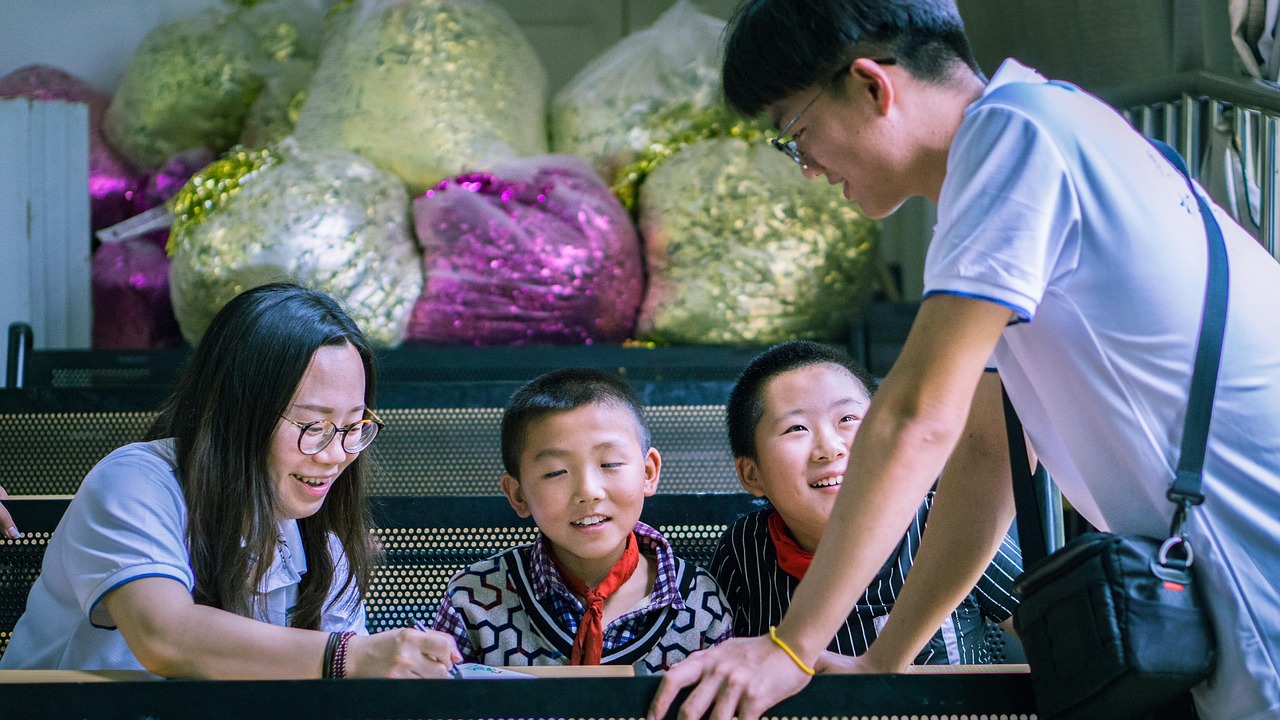
I arrived carrying a notebook and a short schedule, but the first mother who took my hand changed the pace of everything. She showed me the classroom wall still marked by rain, the corner where children now read aloud to one another, and the path volunteers walk before sunrise to deliver meals and medicine. Since then I have learned that peace work is rarely a headline moment; it is the repeated act of returning, teaching, checking in, and staying visible until trust becomes routine again.
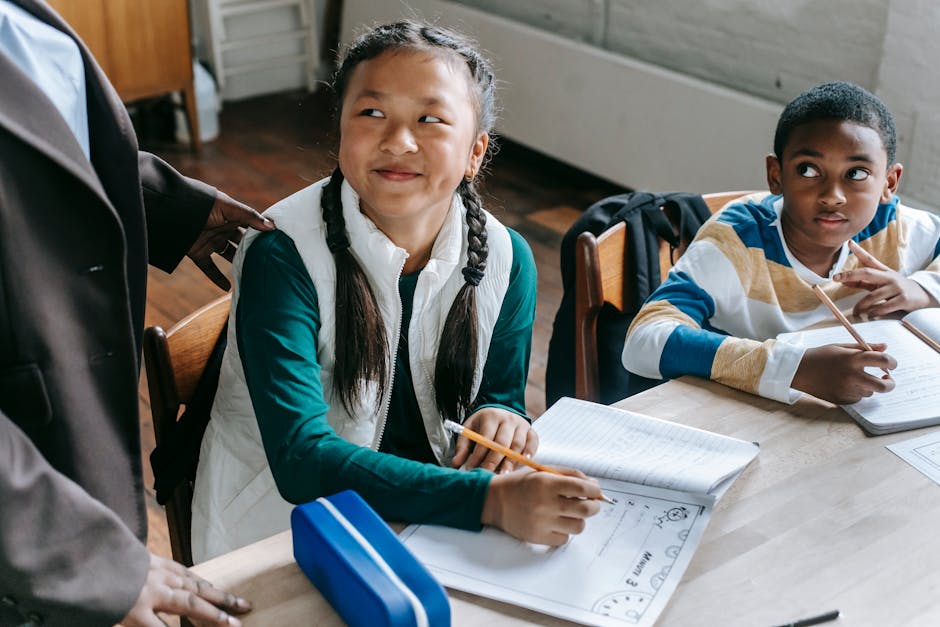
Volunteer teachers rebuilt daily learning around shade cloth, borrowed benches, and a promise to keep every child visible after displacement.
Students, carers, and local leaders began using structured conversations to reduce tension, restore confidence, and keep children in class.
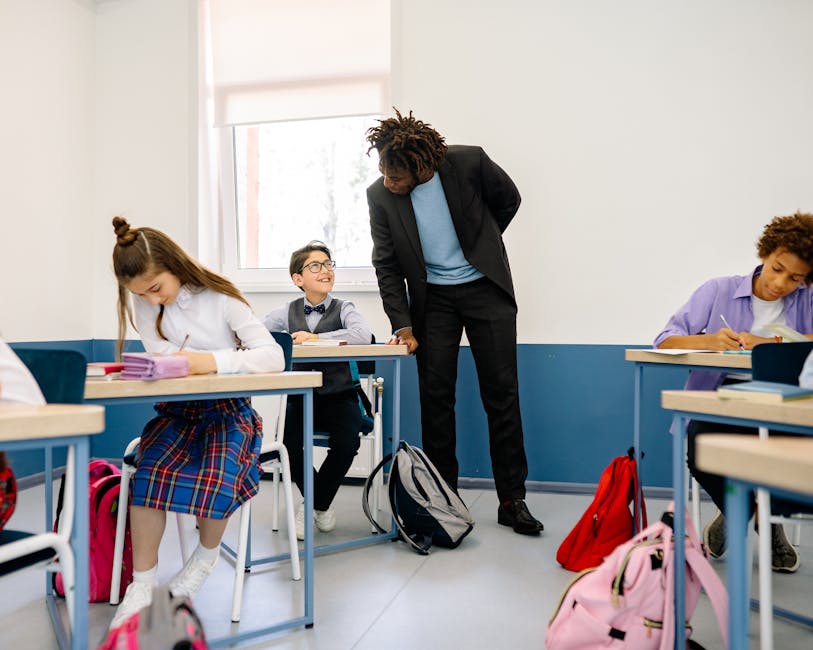
Field teams combined school materials, health referrals, and household visits so support could travel with the people who needed it most.
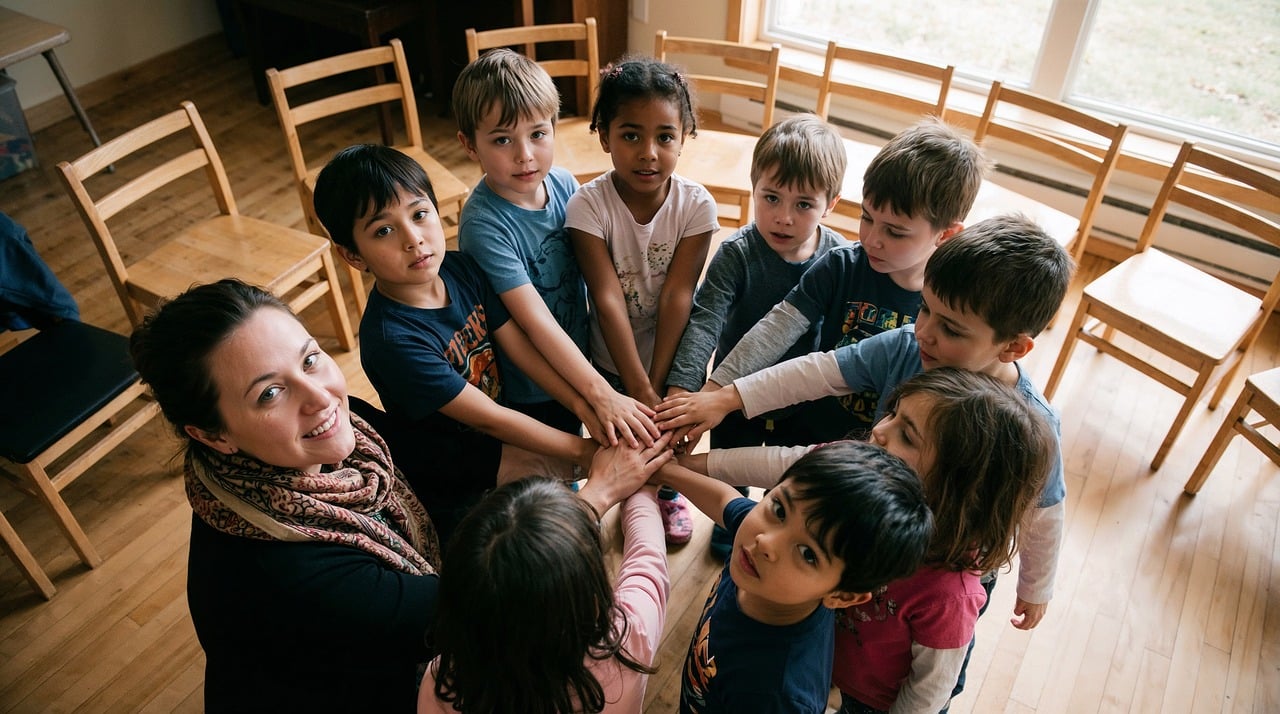
Mentors trained through the programme are now guiding reading groups, family support sessions, and safer pathways back into school.


“The reading circle starts before breakfast because the children ask for more time, not less.”
“When the parents stayed after the meeting, we knew the trust was returning.”
“Peace education worked once the teenagers were invited to lead part of it themselves.”
“A delivery run became a welfare check, then a plan for getting two sisters back into school.”
Temporary classrooms, reading circles, and teacher coaching anchor the education work.
Weekly dialogue sessions bring caregivers, students, and leaders into the same room.
Mobile visits combine food support, referrals, and checks on children most at risk of missing school.



Support books, hygiene supplies, and travel costs for teams reaching families beyond the main road.
Donate through contactConnect your school, group, or organisation to a practical collaboration with Director Rachel Robinson.
Arrange a call