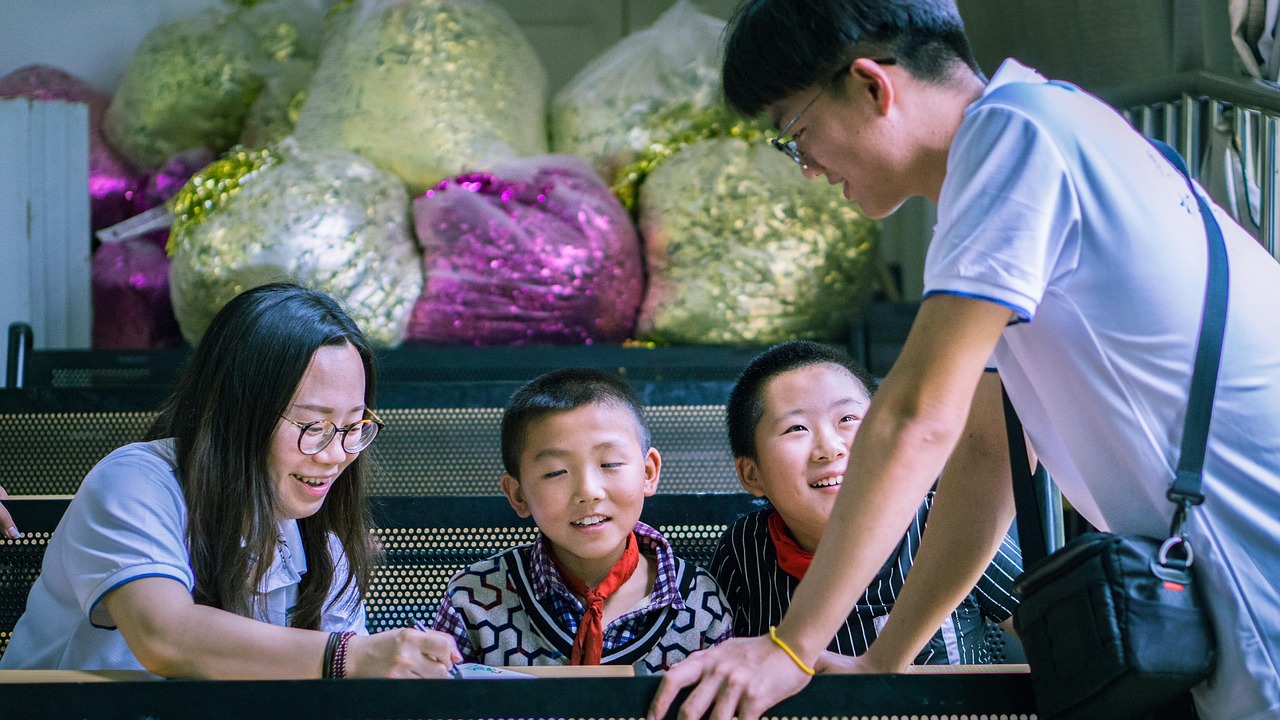
A tarpaulin classroom became the first stable point in the week. Parents began staying after lessons, not because the meeting was scheduled, but because they wanted to talk about what could be rebuilt next.
Every story here begins with something practical: a child returning to lessons after disruption, a parent deciding it is safe to come back to the school gate, a local mentor carrying supplies further than the road allows. Education Peace And Aid Synergy works in that space between emergency response and long-term rebuilding, where peace is reinforced by routine, dignity, and visible support. These stories show how learning, care, and trust grow together.
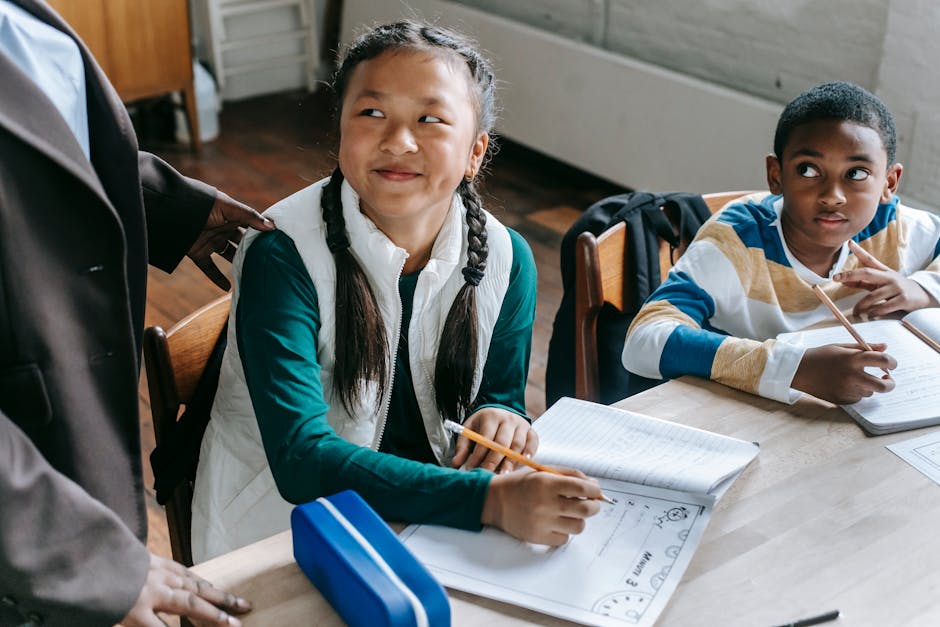
A tarpaulin classroom became the first stable point in the week. Parents began staying after lessons, not because the meeting was scheduled, but because they wanted to talk about what could be rebuilt next.
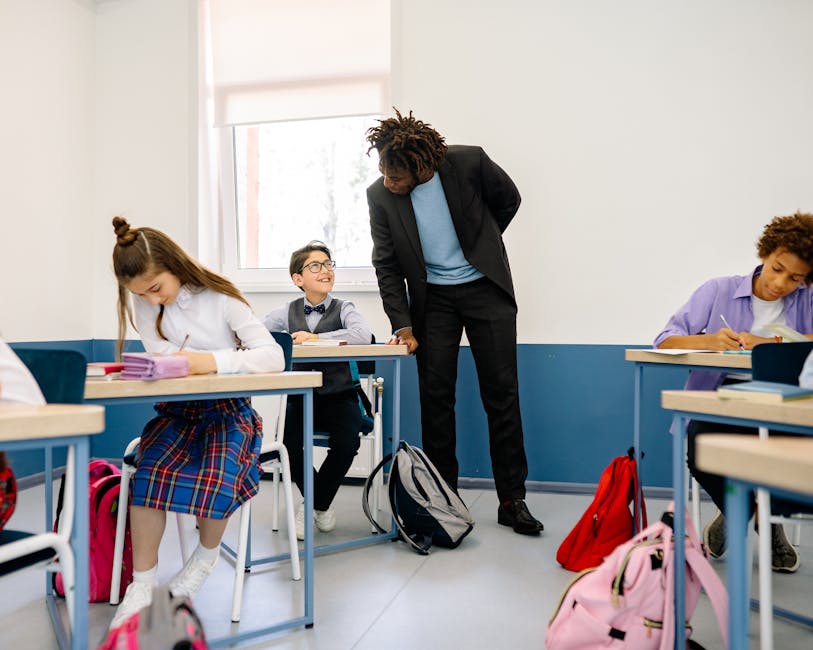
When older students were invited to lead part of the peace circle, attendance changed. They stopped seeing the programme as instruction and started treating it as ownership.
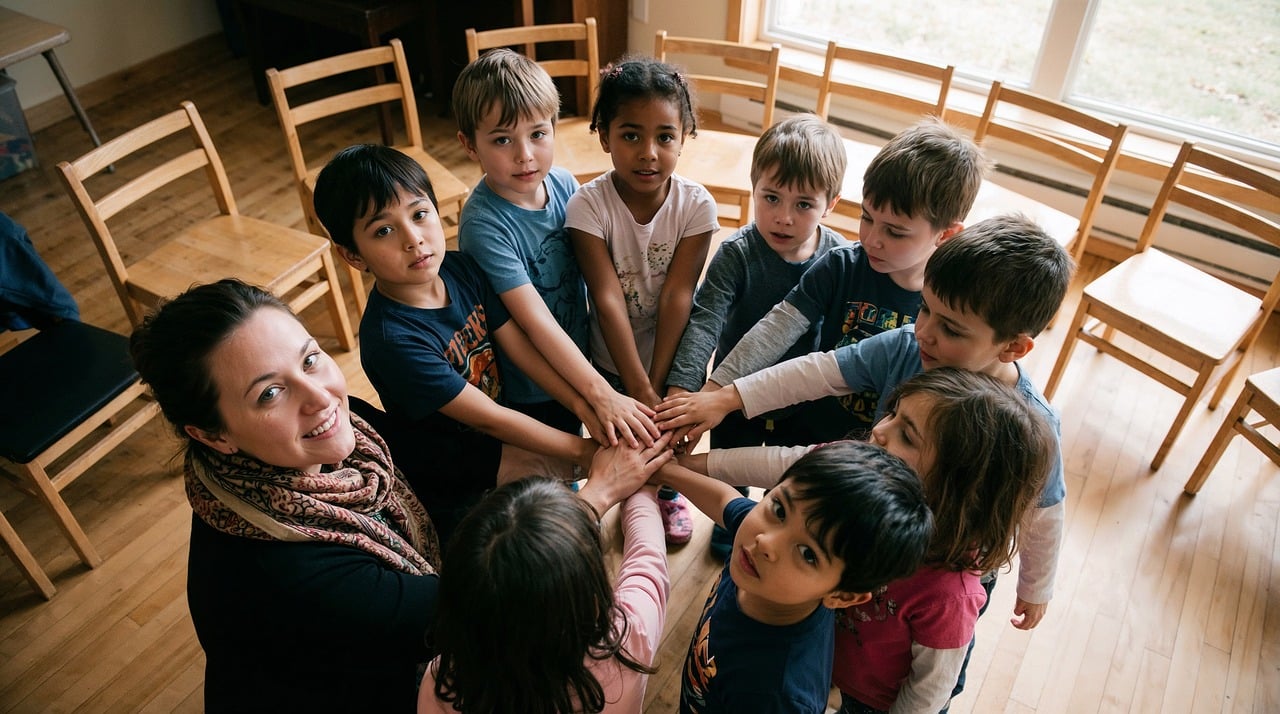
An aid visit delivered more than materials. It surfaced a health concern, identified two children missing lessons, and gave one household a direct route back into support.
The strongest sign of progress was not a speech or ceremony. It was hearing children correct one another’s reading and seeing adults let them stay a little longer to finish.
Attendance is often the first visible milestone, but the deeper shift is consistency. Teachers report that once school materials, food support, and caregiver check-ins move together, children stay present for longer and regain confidence faster.
Structured dialogue matters, but trust grows when the voices in the room are familiar. Local facilitators, youth mentors, and parent organisers have become the people others now look for first.
Distribution alone does not explain outcomes. The strongest results come when each visit leaves behind clear information, a named contact, and a realistic next step for the family involved.
The repeated image across our field notes is simple: adults standing near learning spaces after the formal work is done. That is often where confidence, referrals, and new partnerships begin.
A child comes back to structured learning and is seen again by teachers, peers, and volunteers.
Students and caregivers use guided conversation to reduce tension and restore a shared sense of safety.
Field teams translate what they hear into referrals, supplies, and practical follow-up that can hold.
Support materials, transport, and local coordination that keep children visible and families connected to help.
Support the workBring your school, network, or organisation into a conversation about education recovery, peacebuilding, and locally led care.
Contact the team